
What Is Chewing in Looksmaxing?
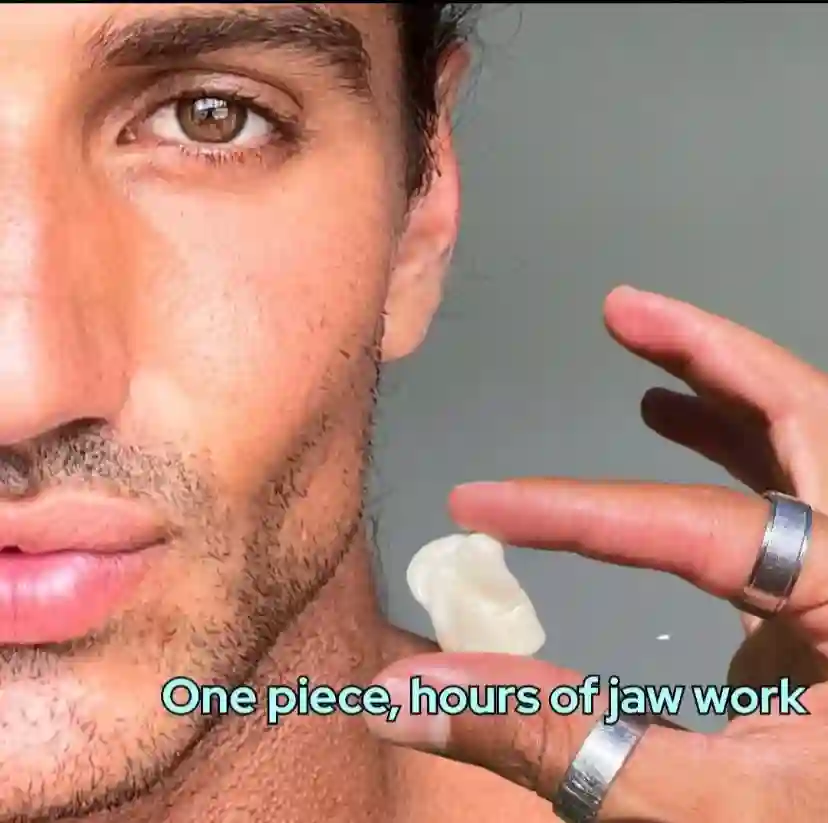
Looksmax chewing means using chewing activity often with tougher chewing gum to train the muscles around the jaw. The main goal is usually to make the jaw area look more defined, stronger or more developed by working the muscles that’re responsible for chewing.
Unlike mewing, which focuses on tongue posture and resting posture chewing is an active form of muscle training. The concept has become popular in the looksmaxing community because the masseter muscles sit at the sides of the jaw and can become more noticeable when they are developed. However chewing should not be viewed as a method for changing your facial bones.
For adults the realistic goal is muscular development rather than dramatically reshaping the underlying jawbone. A sensible chewing routine should therefore focus on resistance, balanced chewing on both sides and avoiding excessive force. Looksmaxing is most effective when chewing is treated as one part of a broader approach that includes healthy body composition, good oral hygiene, skincare, hairstyle and overall grooming.
How Looksmax Chewing Affects Your Jawline
Chewing can affect the appearance of your jawline through the muscles involved in mastication particularly the masseter muscles. Every time you chew these muscles contract to help move your jaw and break down food. When chewing becomes more demanding such as when using foods or appropriately resistant gum the muscles may receive more training stimulus.
Over time consistent muscle activity can potentially make the masseters look slightly fuller which may create the appearance of an more pronounced lower face. However the effect varies significantly between individuals because structure, genetics, existing muscle size, body-fat levels and age all influence how visible the jawline appears. Chewing also cannot directly remove fat or carve a sharp jawline out of bone. If someone has levels of facial fat reducing overall body fat through a healthy diet and exercise may have a much larger effect on jawline visibility than chewing alone. Therefore chewing should be considered a looksmaxing technique rather than the main method for creating a sharper jawline.
Masseter Muscle Growth
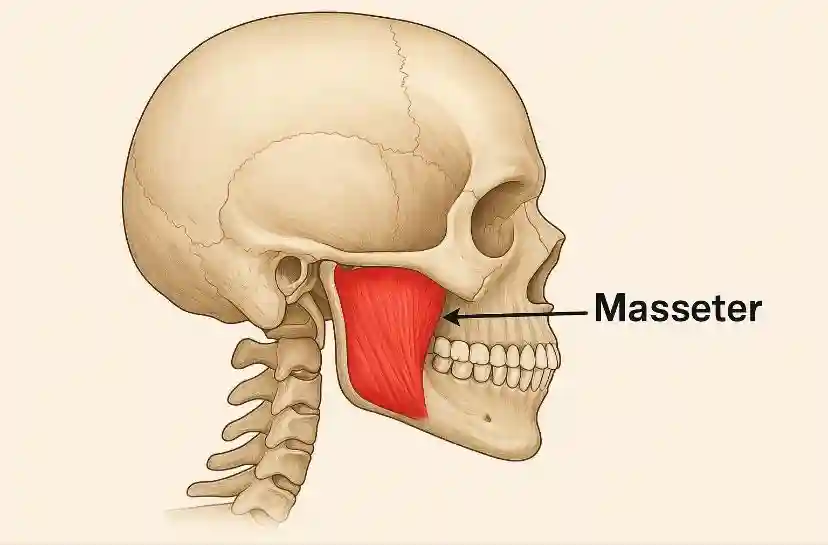
The masseter is one of the muscles involved in chewing and is located along the sides of the lower face near the jaw. Because chewing repeatedly activates the masseter increasing chewing resistance can provide muscular stimulation. This is why masseter development is one of the reasons chewing has become popular in looksmaxing.
If the muscle responds to the increased workload it may gradually become thicker and more noticeable potentially giving the face a broader or more muscular appearance. The amount of development however is highly individual. Someone who already has prominent masseters may notice little visible change while someone with less-developed chewing muscles could potentially see a more noticeable difference. It is also important to understand that developing the masseters is not the same as changing the shape of the jawbone. Muscle growth can influence the appearance of the lower face but it does not mean that chewing will dramatically reconstruct your facial skeleton.
For this reason a gradual approach is preferable to hard or prolonged chewing sessions. If chewing causes jaw pain, clicking, headaches or discomfort it should be stopped than pushed through.
Can Looksmax Chewing Make Your Jaw Wider?
Looksmax chewing may make the lower face appear wider in some people but it is important to distinguish between muscle development and actual bone growth. The masseter muscles are positioned around the angle of the jaw so increasing their size can potentially add fullness to the sides of the lower face. This can create the impression of a wider or stronger jaw.
However this does not necessarily mean that the underlying mandibular bone has become wider. In adults chewing is not a method for significantly increasing the width of the jawbone. Genetics and skeletal structure remain factors in determining facial width and jaw shape. The visible effect of chewing can also depend on body-fat levels. How naturally prominent someone’s masseters are. Some people may develop a square-looking lower face while others may notice almost no aesthetic difference.
Therefore if your goal is a looking jaw through looksmaxing chewing should be viewed as a potential way to develop the surrounding muscles rather than a guaranteed method of skeletal transformation. Excessive chewing is also not better; putting stress on the jaw can increase the risk of discomfort and temporomandibular joint problems.
Best Gum for Looksmax Chewing
When choosing gum for looksmaxing chewing the main consideration is resistance than a particular brand. Firmer chewing gum can provide resistance than very soft conventional gum, which means the jaw muscles may have to work harder.
Mastic gum is frequently discussed in the looksmaxing community because it is naturally firm and becomes more workable as it is chewed. However harder does not automatically mean better. Tough gum or excessive chewing can place significant stress on the jaw muscles and temporomandibular joints potentially causing soreness, clicking, headaches or other discomfort. A safer approach is to start with moderately firm sugar‑free gum and gradually assess how your jaw responds.
Sugar‑free gum can also be preferable for health compared with sugary alternatives although chewing gum does not replace brushing, flossing and regular dental care. Ultimately the “best” gum for a looksmaxing chewing routine is one that provides resistance without causing pain or excessive fatigue. The objective should be consistent controlled chewing, than trying to use the hardest gum possible.
Mastic Gum vs Regular Gum for Jaw Training
Mastic gum and regular chewing gum can both be used as part of a looksmax chewing routine. They provide different levels of resistance. Mastic gum is naturally much firmer.
Becomes more flexible as you chew it which is why it is often promoted in the looksmaxing community as a way to make chewing more challenging. Regular chewing gum is generally softer and easier to chew making it a practical starting point for people who are not used to prolonged chewing. The increased resistance of gum may make the masseter muscles work harder but harder resistance does not automatically produce better results. Your jaw muscles and temporomandibular joints still need time to adapt and excessive resistance can lead to soreness or other problems.
For beginners regular sugar-free gum may be enough to introduce chewing activity while more experienced users may prefer firmer gum if they tolerate it comfortably. The goal should be. Consistent chewing rather than maximum resistance. Neither type of gum can guarantee a jawbone or dramatic facial transformation since skeletal structure is largely determined by genetics and age.
How Long Should You Chew Each Day?
There is no established number of minutes per day that guarantees better looksmaxing results from chewing. Because of this it is better to focus on adaptation rather than following an extremely aggressive chewing schedule.
Someone who is new to chewing for jaw training can start with a short session and see how the jaw feels during and after chewing. If there is no pain or unusual discomfort the duration can gradually increase over time. Longer sessions are not necessarily better because the masseter muscles and jaw joints still need recovery. Chewing for hours every day especially with very hard gum can create unnecessary stress without providing proportional aesthetic benefits.
A moderate routine is generally more sensible than trying to exhaust the jaw muscles. If you experience soreness clicking, locking, headaches or pain around the jaw or temples you should stop the routine and allow the area to recover. The purpose of a looksmax chewing routine should be muscle conditioning not forcing the jaw to work continuously.
How to Chew Properly for Better Jaw Development
Proper looksmax chewing technique is more important than chewing as hard and as fast as possible. The basic idea is to chew in a controlled manner while allowing the jaw to move naturally than aggressively clenching or forcing the teeth together. When using gum keep the movements smooth and avoid repeatedly biting down with maximum force.
It can also be useful to maintain awareness of which side you are chewing on so that one side does not consistently receive all of the workload. Starting with a level of resistance is particularly important because the jaw muscles need time to adapt. You should also avoid chewing when your jaw’s already tired or painful. Remember that looksmax chewing can potentially train the muscles around the jaw the masseters but it cannot guarantee major changes to the underlying facial bones.
Good technique therefore means resistance, balanced movement, reasonable duration and adequate recovery. Combining this with oral hygiene and regular dental care is also important because a jaw-training routine should not come at the expense of your teeth or overall oral health.
Should You Chew on Both Sides?
Yes balanced chewing is generally preferable to chewing on only one side. The muscles on both sides of your jaw contribute to chewing consistently favoring one side could place more workload on that side than the other. For someone using chewing for jawline as part of a looksmaxing routine alternating sides can help distribute the activity evenly between the left and right masseter muscles. This is particularly relevant when the goal is a looking lower face.
However facial asymmetry is extremely common and chewing for jawline alone cannot guarantee symmetrical facial features. Differences in bone structure, muscle size, dental alignment and natural facial development can all contribute to asymmetry. Than aggressively trying to “fix” one side by overtraining it a better approach is to maintain relatively balanced chewing habits and avoid excessive force. If you already have jaw asymmetry, pain, difficulty chewing or problems with your bite it is better to discuss the issue with a dentist or qualified healthcare professional rather than attempting to correct it through intense chewing exercises.

Chewing for Jawline Symmetry
Chewing for jawline symmetry focuses on developing the muscles on both sides of the face in a balanced way. Since the masseter muscles contribute to the appearance of the jaw area consistently chewing on one side could potentially create differences in workload.
Alternating sides during chewing for jawline can help prevent one side from doing most of the work and’s a more balanced approach for anyone interested in jaw training. However it is important to have expectations because facial symmetry depends on much more than muscle development. The shape of the jawbone, teeth, bite, facial fat distribution, genetics and natural facial growth can all influence how symmetrical the face looks. Chewing cannot reliably reshape the underlying skeleton.
Completely eliminate natural asymmetry. The goal should therefore be to avoid creating muscular imbalances rather than trying to force your face into perfect symmetry. A controlled routine moderate resistance and paying attention to discomfort are more important, than aggressively chewing one side in an attempt to change its appearance.
Pingback: Looksmaxxing Tips For Asymmetrical Face Kings - Ultimate Guide to Glow Up & Attractiveness