
How to build a men’s wardrobedoes not mean buying designer clothes or filling your closet with dozens of outfits. The goal is to create a collection of well‑fitting, pieces that work together and make it easier to dress well every day. From T‑shirts and jeans to shoes, jackets and accessories the right men’s wardrobe can improve your overall appearance while giving you more confidence, in your personal style. In this guide you’ll learn how to build a men’s wardrobe step by step choose clothing create versatile outfits and avoid common style mistakes.
Build a men’s wardrobe and What Is a Men’s Wardrobe
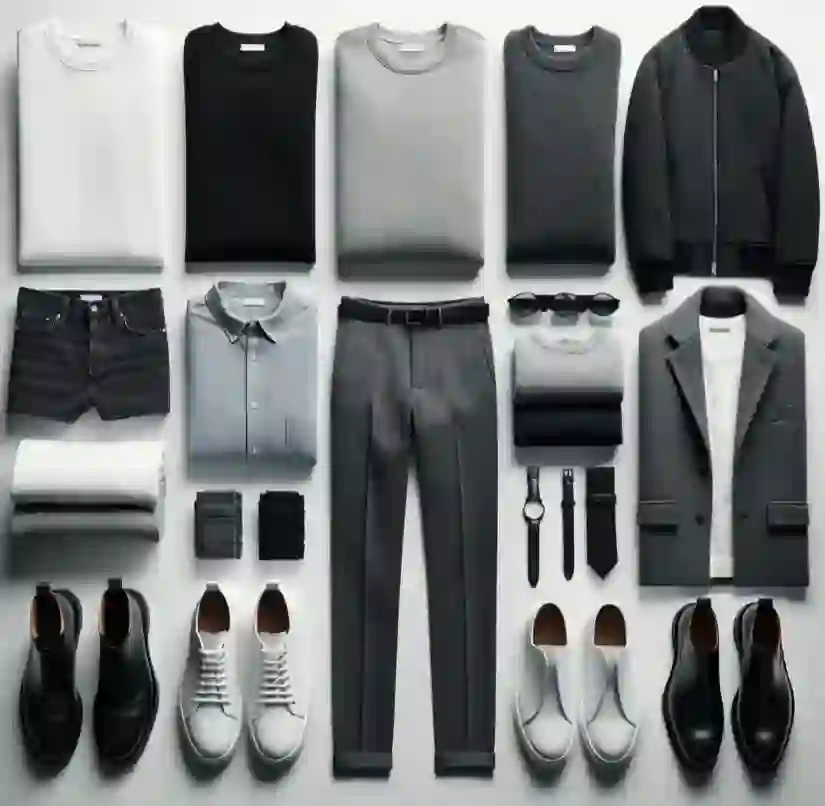
A men’s wardrobe is not a pile of clothes. It is a set of items that fit you match each other and fit your life. A men’s wardrobe makes dressing easier and gives you many options for casual days, work, parties and special events. Than always buying new clothes focus on building a group of items that can mix and match.
Men’s Wardrobe Essentials
Every man can use a few basics. These often are T‑shirts, button‑up shirts, jeans, chinos, trousers, a basic jacket, sneakers and neat shoes. Neutral colors like black, white, navy, grey, beige and brown are very handy because they match other colors. These basics give a base before adding more unique items.
how to build a men’s wardrobe
When picking clothes look at fit, fabric, comfort. How well the item blends with the rest of your men’s wardrobe. A plain shirt that fits well can look far better than a shirt that does not fit. Do not buy something just because it is in style if you cannot picture wearing it with outfits. Good basics that you really wear are usually a purchase than clothes that only sit in your closet.
Building a Wardrobe on a Budget
You do not need a budget to build a stylish men’s wardrobe. Start with basics. Buy items slowly instead of buying everything at once. Search for sales, outlet shops, second‑hand clothes and cheap brands that still have quality. Pay more for items you wear a lot, like shoes or a good jacket and use basics to fill the rest.
Essential Tops Every Man Needs
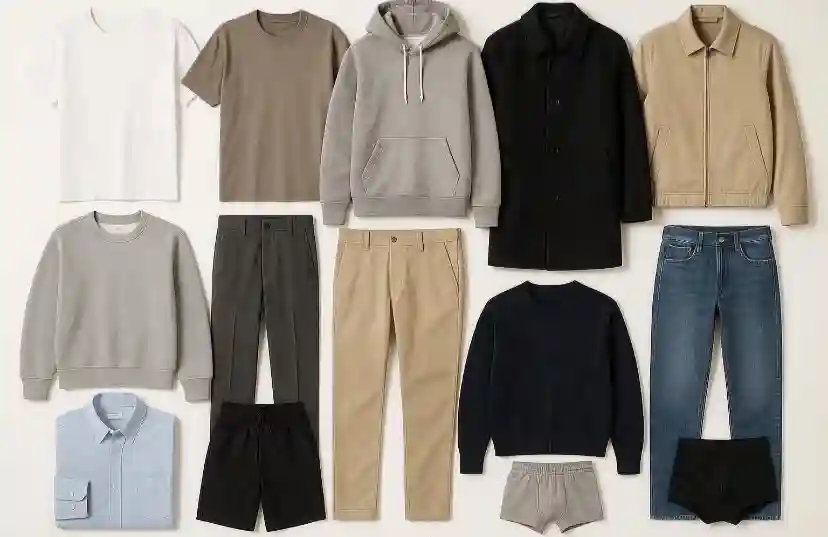
Tops are some of the worn pieces in a men’s wardrobe so it is helpful to have many simple options. Begin with T‑shirts in neutral colors then add polos, casual button‑up shirts and at least one formal shirt. Depending on your style you may also add sweaters, hoodies or overshirts. Choosing designs makes it easier to pair tops with many pants and shoes.
Best Pants and Jeans for Men
A men’s wardrobe should have different kinds of pants for different moments. A good pair of medium‑washed jeans works well for daily wear while chinos give a cleaner look. Trousers are handy for smart‑casual events. The key is to find a cut that fits your body comfortably not tight and not too loose.
Choosing the Right Shoes
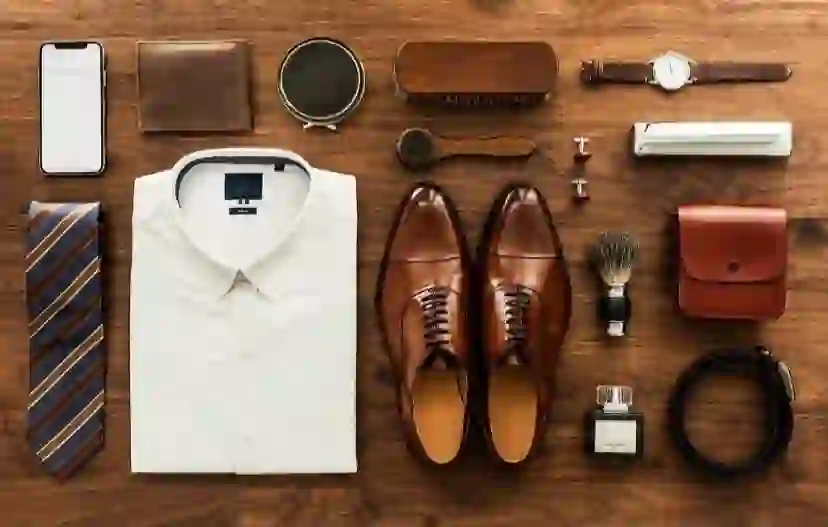
Shoes can have an impact on how an outfit looks. A men’s wardrobe can start with clean white or neutral sneakers then add casual boots, loafers or plain leather shoes depending on your life. Pick shoes that fit outfits instead of shoes for only one event. Keep shoes clean and in shape; this can make a big difference.
Jackets and Outerwear Essentials
Outerwear can give shape and personality to an outfit. Depending on your weather and taste useful options are a jacket, bomber jacket, overshirt, coat or light jacket. Neutral colors make outerwear easier to match with the rest of your men’s wardrobe. A jacket that fits well can also make an outfit look better. Make basic clothes look more neat.
Men’s Accessories That Complete an Outfit
Accessories are a way to add personality without changing your whole wardrobe. Watches, belts, sunglasses, wallets, caps and simple jewelry can all match an outfit. The key is balance. You do not need accessories at once; picking one or two items that fit your overall style can give a cleaner look.
How to Match Colors and Clothes
Learning color coordination makes it easier to build good outfit. Neutral colors are easy to mix while shades like navy, olive, burgundy and brown add variety. A simple method is to build an outfit around one color and use complementary or neutral shades for the rest. Avoid bright colors, at once unless you want a bold look.
Dressing for Your Body Type
Clothing should work with proportions rather than simply following every fashion trend. Clothing must pay attention to shoulder width, torso length, leg proportions and how different cuts sit on the body. For example fitted trousers can make an outfit look more balanced while an appropriately structured jacket can add shape to the upper body. Clothing has no ideal body type so the goal is to find clothes that create comfortable and balanced proportions.
Casual vs. Smart Casual Wardrobe
Wardrobe should reflect the situations that a person regularly finds oneself in. Casual outfits can include T‑shirts, jeans, hoodies and sneakers while smart‑casual outfits might combine a polo or button‑up shirt with chinos, trousers, loafers or clean sneakers. Having pieces that can move between smart‑casual outfits gives more options without requiring a huge wardrobe.
How to Create Versatile Outfits
Versatility is one of the important parts of building a men’s wardrobe. Before buying an item think about how many existing pieces can be worn with it. A pair of trousers might work with T‑shirts, shirts, sweaters, jackets and several types of shoes. Building around pieces means many different outfits can be created from a relatively small number of clothes.
Common Men’s Wardrobe Mistakes
Some mistakes include buying clothes that do not fit properly purchasing too many trend‑based pieces ignoring shoe condition and owning clothes that cannot be combined with anything else. Another mistake is focusing entirely on quantity of versatility. A smaller wardrobe containing well‑fitting useful pieces can be much easier to style than a closet filled with items.
How to Upgrade Your Wardrobe Over Time
Building a wardrobe is a gradual process. Start with essentials identify the pieces worn most and then replace low‑quality or fitting items over time. Once basics are covered, experiment, with colors, textures, patterns and fashion aesthetics. This approach allows personal style to develop naturally while keeping wardrobe practical and easy to use.